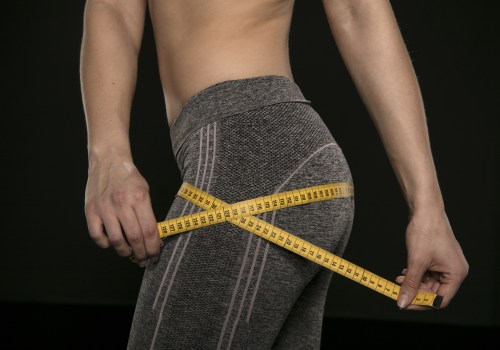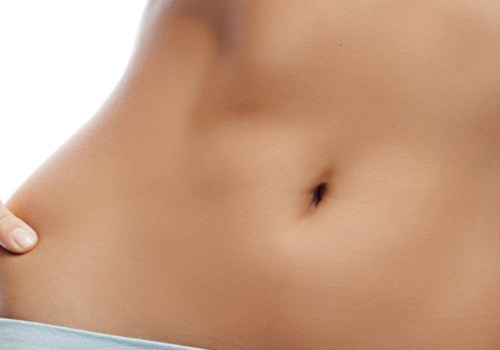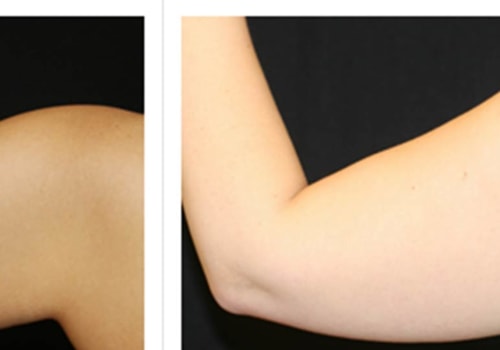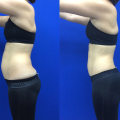
Laser liposuction is a body-contouring procedure designed to reduce localized fat deposits that may not respond fully to diet and exercise. It uses laser energy to help break down fat before it is removed through a small suction device. Because the treatment is intended for shaping specific areas rather than producing major weight loss, it is often considered by people who are already relatively close to their preferred body weight but still have persistent pockets of fat. Common treatment areas can include the abdomen, flanks, thighs, upper arms, back, and areas beneath the chin, depending on individual needs.
Targeting Areas That Resist Lifestyle Changes
Some fat deposits are influenced by genetics, age, hormones, and natural body composition, which means they may remain even with consistent exercise and balanced nutrition. Laser liposuction can be used to address these localized areas by removing fat more directly. Patients considering treatment through Weniger Plastic Surgery Bluffton, SC or another qualified provider may undergo an evaluation to determine whether their concerns are appropriate for this type of contouring procedure. The goal is generally to improve shape and proportion rather than dramatically change a person’s overall size.
How the Procedure Works
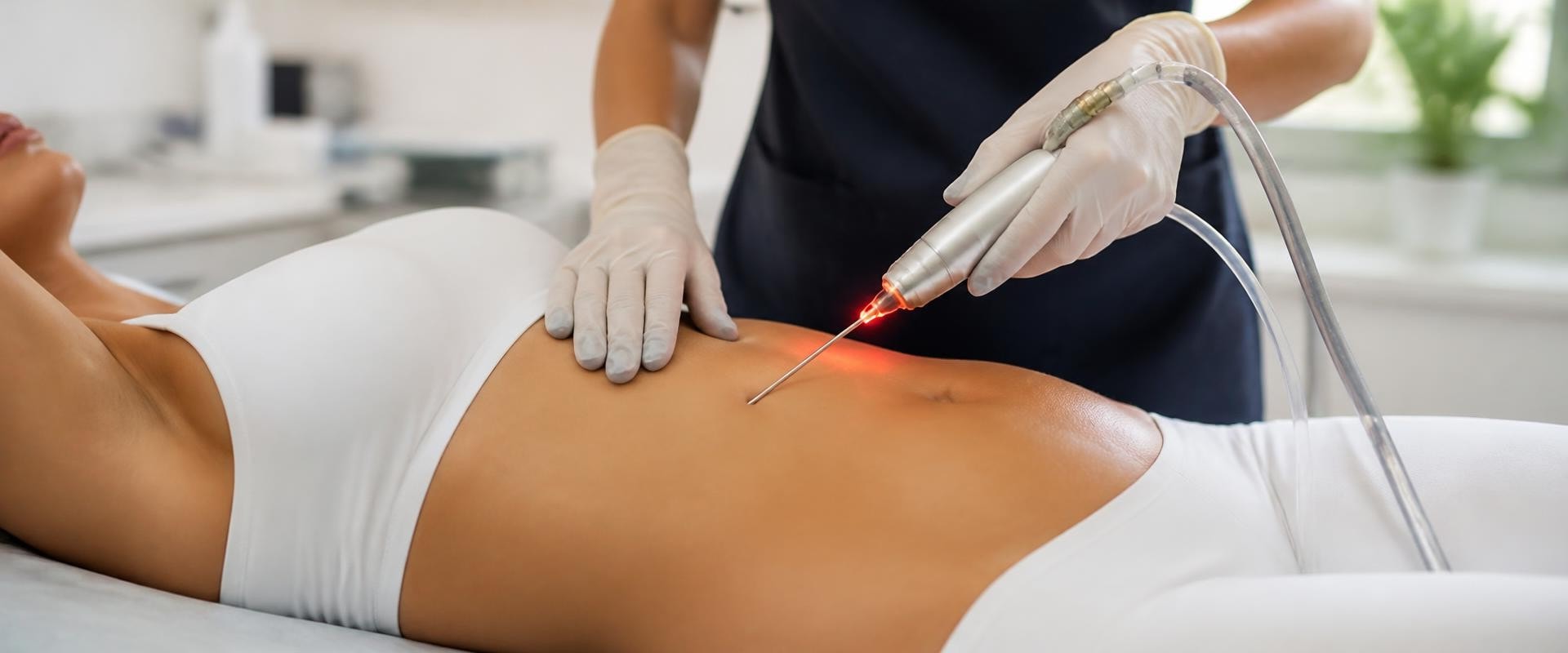
During laser liposuction, a small incision is typically made so that a thin laser fiber and cannula can be introduced into the treatment area. The laser energy helps disrupt fat cells, after which the loosened fat can be removed. Some techniques may also create heat within the treated tissue, which can have an effect on the surrounding skin. The exact approach depends on the equipment used, the treatment area, and the surgeon’s technique. Patients should discuss how the procedure will be performed and what type of anesthesia or sedation may be recommended.
Selecting the Right Treatment Areas
Laser liposuction may be useful for several stubborn fat areas, but not every part of the body is treated in the same way. The abdomen and waist are common areas because small fat deposits can affect overall body contours. The thighs, arms, back, and under-chin area may also be considered when there is enough localized fat to justify treatment. During consultation, the provider can assess skin quality, fat distribution, body proportions, and treatment goals to determine which areas may benefit most.
Understanding Skin Quality
Skin elasticity can influence the appearance of results after fat removal. When skin has good elasticity, it may adapt more smoothly to the newly contoured area. If there is significant loose or stretched skin, liposuction alone may not create the desired result. In some situations, another procedure may be discussed to address excess skin. This is why an individual assessment is important before treatment. A provider can explain whether laser-assisted fat removal is likely to match the patient’s expectations based on existing skin and tissue characteristics.
Preparing for Recovery
Recovery after laser liposuction can vary according to the number of treatment areas and the amount of fat removed. Swelling, bruising, soreness, and temporary numbness can occur during the early recovery period. Compression garments may be recommended to help manage swelling and support the treated areas. Patients may be advised to limit strenuous activity for a period of time while gradually returning to normal routines. Following post-procedure instructions carefully can help support healing and reduce the risk of complications.
Maintaining the Results
Fat cells removed through liposuction do not typically return in the same way, but remaining fat cells can still increase in size if significant weight gain occurs. Maintaining a stable weight through regular physical activity and balanced eating habits can therefore help preserve the contouring results. Laser liposuction should generally be viewed as a body-shaping procedure rather than a substitute for long-term weight management.
Setting Realistic Expectations
The results of laser liposuction develop gradually as swelling decreases and the treated tissues settle. Final contours may take time to become fully visible. Outcomes can vary based on anatomy, skin quality, treatment area, and healing response. A consultation with a qualified professional can help patients understand potential benefits, limitations, risks, and recovery expectations. With appropriate patient selection and realistic goals, laser liposuction can be used as a targeted option for improving stubborn fat areas and refining overall body contours.